
This is not medical, legal, or financial advice. Big on Health is a UK review site. For health worries, speak to your GP, pharmacist, or NHS 111. For questions about support, speak to your council or a carers’ advice service.
A Disabled Facilities Grant is money from the council towards changes that make a home easier and safer for a disabled person to live in. This page summarises official guidance for England and Wales that we read on 9 Oct 2026.
Scotland and Northern Ireland are covered further down.
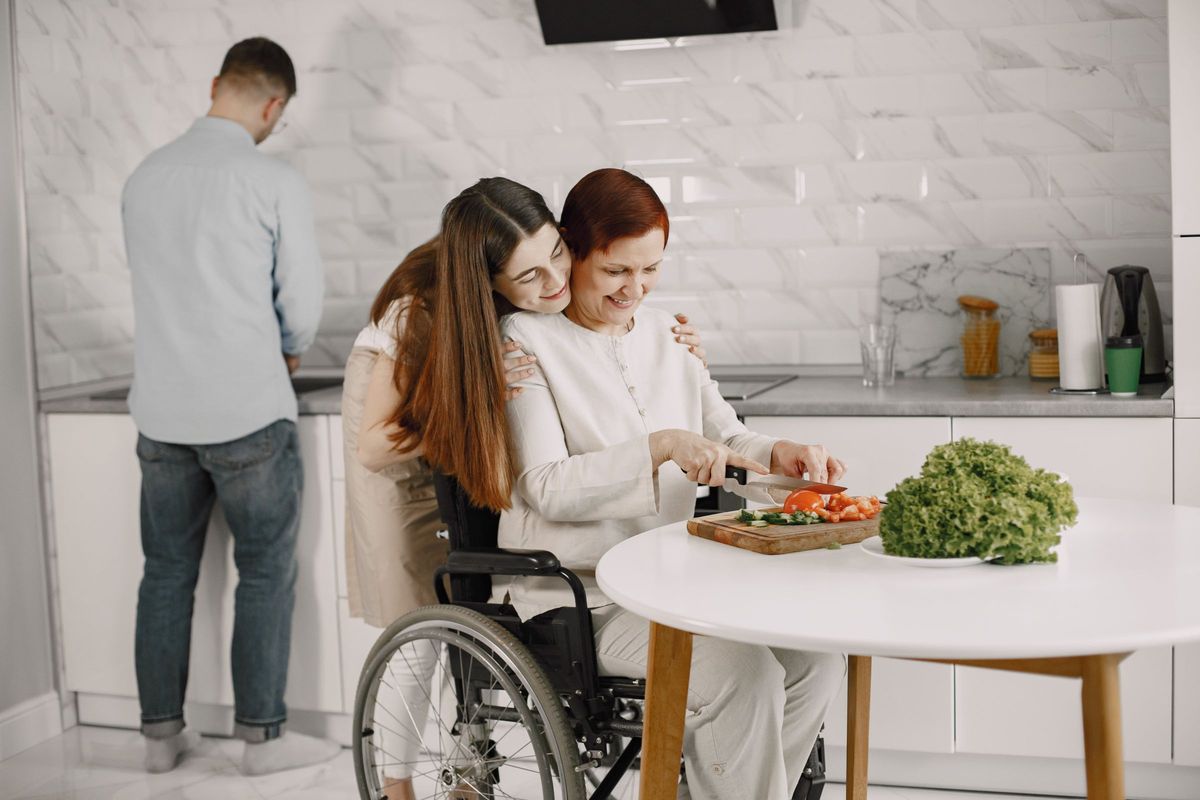
What a Disabled Facilities Grant is
GOV.UK says you could get a grant from your council if you are disabled and need to make changes to your home. That includes age-related needs and conditions such as dementia.
Examples of work include:
- widening doors and installing ramps or grab rails
- improving access to rooms and facilities, for example with a stairlift or level access shower
- improving access to the garden
- building an extension, for example a downstairs bedroom
- a heating system suited to your needs, or heating and lighting controls that are easier to use
It will not affect benefits. GOV.UK says a Disabled Facilities Grant will not affect any benefits you get, so it does not change a parent’s Attendance Allowance.
Who can get it
GOV.UK says you, or someone else living in the house, must be disabled and intend to live in the property during the grant period. That is usually 5 years, but it can be shorter, for example if the person is terminally ill.
- The application must come from the owner, tenant or landlord.
- The council must be happy that the work is necessary and appropriate for the disabled person’s needs, and reasonable given the age and condition of the property.
How much it is
As shown on GOV.UK when we read it on 9 Oct 2026:
- England: up to £30,000
- Wales: up to £36,000
GOV.UK says some councils may give more. How much you get usually depends on household income and household savings over £6,000, and depending on your income you may need to pay towards the cost. Disabled children under 18 can get a grant without their parents’ income being taken into account. You can apply again for the same property if needs change.
Before any work starts
GOV.UK says you might not get any grant if you start work before the council approves your application. Planning permission and building regulations approval are applied for separately. The council may ask you to use a qualified architect or surveyor, and the grant can go towards their fees. The work should be finished within 12 months of approval.

How to apply
You apply through your local council. GOV.UK says:
- the council may send an occupational therapist or trained assessor to see what changes are needed
- the council must give you a decision within 6 months
- a government-funded organisation called Foundations can help you apply
- you can appeal to the council, and then complain to the Local Government Ombudsman if you are still not happy
Payment comes in instalments as the work progresses, or in full when it is finished.
Care at home while you wait
If you are caring for a parent meanwhile, ask the council for a carer’s assessment. For costs, see Paying for private care at home in the UK. When it is time to arrange help, see Finding a private carer in the UK.
Ad. If you register or buy through our link, Ideas in Medicine Ltd, trading as Big on Health, may earn a commission. That does not change what you pay.
If paid help at home looks right, start here: Finding a private carer in the UK.
You can also look at private-carer profiles on PrimeCarers (our Awin affiliate link).
Scotland and Northern Ireland
GOV.UK says Disabled Facilities Grants are not available in Scotland. mygov.scot says to contact your local council’s social work team, who will arrange a care needs assessment. You may be able to get financial help if someone in your home is disabled or has problems getting around, the changes are essential, and you need help paying for the work. Support varies by council.
In Northern Ireland, nidirect says Disabled Facilities Grants come from the Northern Ireland Housing Executive, based on an occupational therapist’s recommendation. If you are on a low income you may get up to a maximum of £35,000, and in some cases up to £70,000. Work must not start until the Housing Executive approves it.
Questions to talk through as a family
- Which rooms or steps cause Mum or Dad the most trouble day to day?
- Do they plan to stay in this home for the next 5 years?
Sources
- GOV.UK: Disabled Facilities Grants: Overview. Read 9 Oct 2026.
- GOV.UK: Disabled Facilities Grants: What you’ll get. Read 9 Oct 2026.
- GOV.UK: Disabled Facilities Grants: Eligibility. Read 9 Oct 2026.
- GOV.UK: Disabled Facilities Grants: How to apply. Read 9 Oct 2026.
- mygov.scot: How to apply for care equipment or home adaptations. Read 9 Oct 2026.
- nidirect: Disabled Facilities Grants. Read 9 Oct 2026.
The registered company is Ideas in Medicine Ltd, trading as Big on Health (SC505248). Contact: enquiries@bigonhealth.com. There is no public telephone number on this site.