
By the Big on Health editorial team, Ideas in Medicine Ltd.
This is not medical, legal or financial advice. Big on Health is a UK review site, not a care agency. We do not employ carers, and we do not assess, place or supervise anyone in your home. For health worries, speak to the GP or NHS 111. If someone is in immediate danger, call 999.
Most families start looking for a carer at a moment of pressure: a fall, a hospital discharge date, or a slow realisation that a parent is no longer coping with washing, meals or medicines. This page is for families in the UK who want to find a private carer for someone at home. It explains the main ways carers are found and paid, what to check before anyone starts, how to think about rates without guessing, a checklist for the first week, and when live-in, overnight or companionship care might be the better fit. We checked every source listed at the end on 26 Oct 2026.
Ad. Want to see who is available near you before you make any calls? You can browse self-employed carer profiles on PrimeCarers, read about each carer’s experience and see the rates they set. If you register through this link, Ideas in Medicine Ltd, trading as Big on Health, may earn a commission. That does not change what you pay.
Start with what help is actually needed
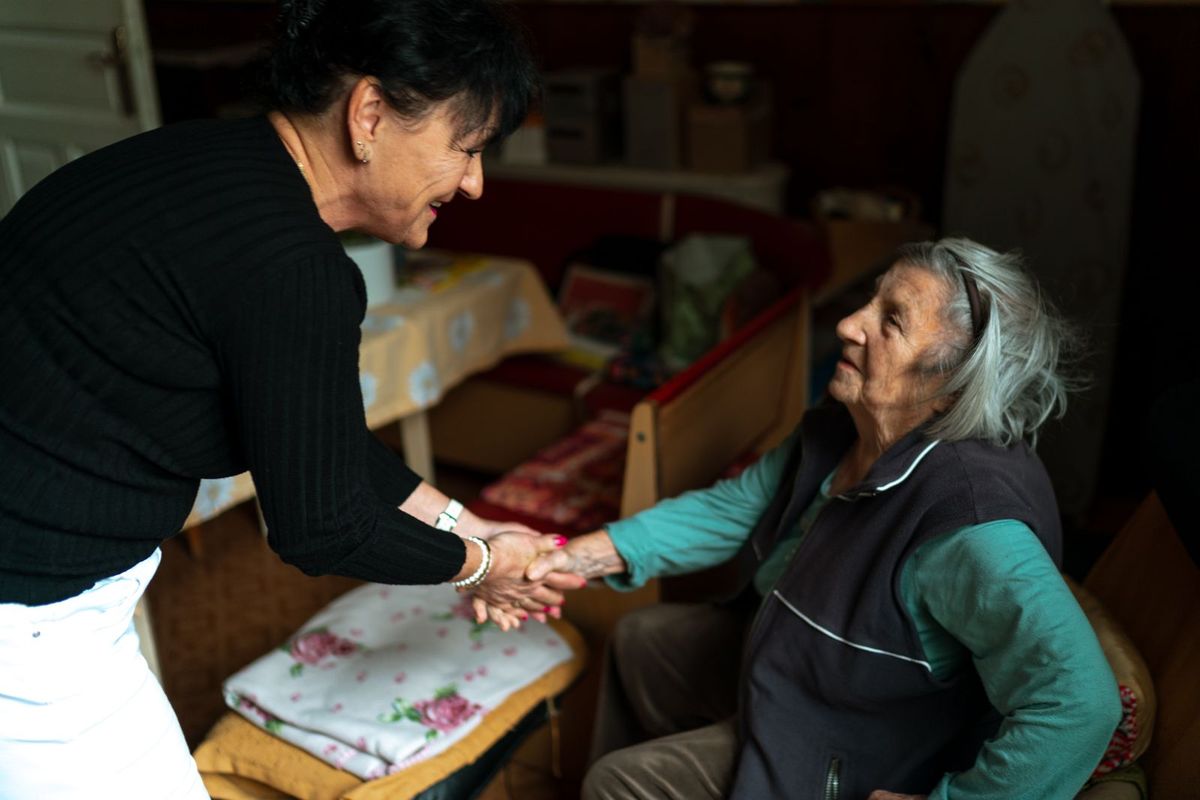
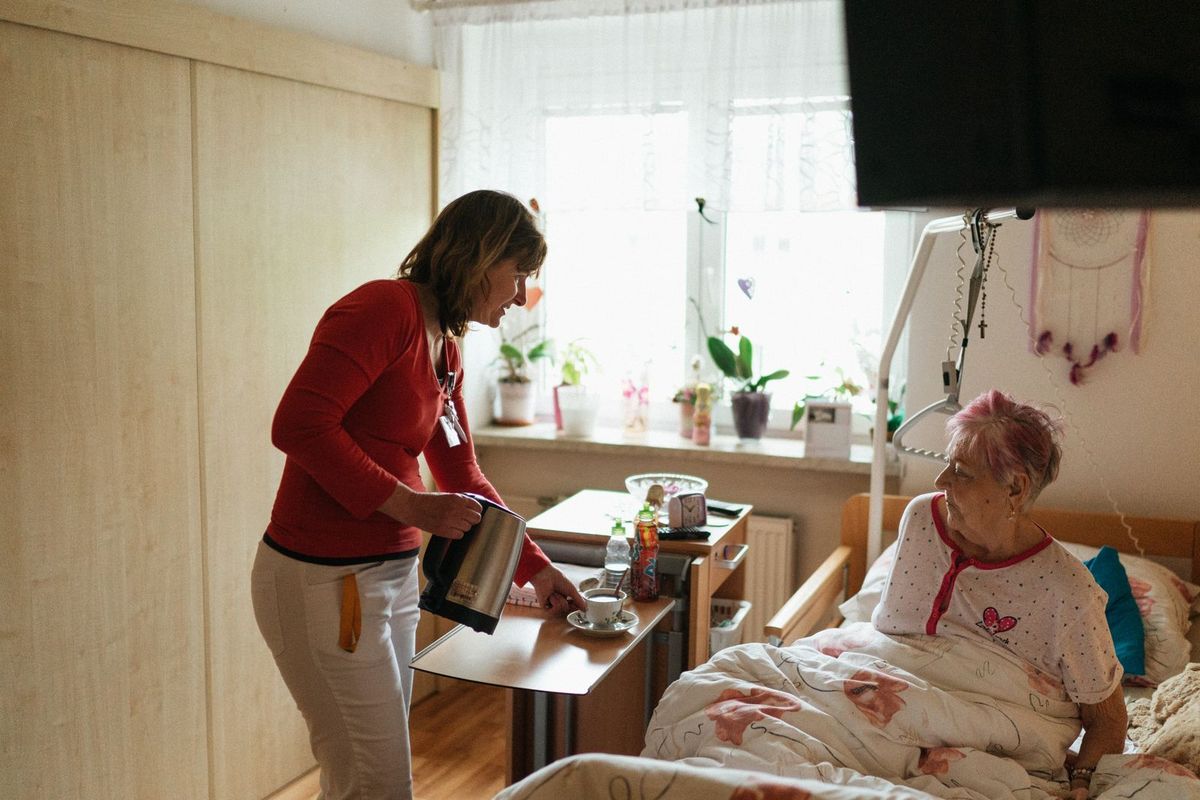
Before you look at a single carer, write down what the person needs help with and when. The NHS lists the kinds of things a paid carer can help with at home: getting out of bed, washing and dressing, using the toilet, preparing meals and drinks, remembering to take medicines, shopping, collecting prescriptions, getting out to a lunch club, and getting settled in the evening. It describes help with cleaning, laundry and gardening as “home help”, which is slightly different, and notes that most councils do not provide it.
It helps to note the times of day when things go wrong; a short diary over a week or two often shows a pattern. If you are not sure whether help is needed yet, our guide to signs a parent needs help at home may help you decide.
The NHS also recommends asking the local council for a care needs assessment, even if you plan to arrange and pay for care yourself, because it helps you explain to an agency or private carer what kind of help is needed. If the council finds the person eligible, it may arrange or contribute to care. If you are the one doing most of the caring, you can ask for a carer’s assessment too. See Carer’s assessment in the UK.
How private carers work in the UK
There are three common routes for a family arranging and paying for care themselves. Our longer guide to comparing care options in the UK sets out the wider choices, including care homes.
1. A homecare agency
The NHS explains that homecare agencies employ trained carers and arrange for them to visit. You may not always see the same carer, although the agency will try to find a good match. If you pay for yourself, the NHS says the agency should give you a clear price list and send a monthly bill. In England, the NHS says all homecare agencies must register with the Care Quality Commission (CQC), which inspects them and publishes reports. Scotland, Wales and Northern Ireland have their own regulators.
The CQC describes the “ongoing role” of a regulated home care agency: selecting suitable workers, induction, training and supervision, managing the work, and monitoring the quality and safety of the service.
2. An introductory platform for self-employed carers
Introductory services, sometimes called introductory agencies, help you find a carer but do not manage the care itself. The CQC says introductory agencies do not need to register with it, because they have no ongoing role in the personal care provided after the introduction. It gives examples of what would count as an ongoing role, such as monitoring the care, arranging rotas, or taking charge of replacing a carer without the family’s decision.
In practice, this means you choose the carer, agree the hours, tasks and rate directly with them, and you are responsible for supervising how the arrangement works. The trade-off for continuity and control is that cover, oversight and checking fall more heavily on you. PrimeCarers, which we link to on this page, works in this way: carers are self-employed and set their own rates on their profiles. Read the platform’s own terms carefully to see which checks it carries out and which it leaves to you.
3. Employing a carer directly
You can also hire someone yourself, perhaps through word of mouth. The NHS calls this employing your own carer, sometimes known as a private carer or personal assistant, and says that if you employ a paid carer you have the legal responsibilities of an employer, including arranging cover for illness and holidays. GOV.UK sets out what employing someone involves: checking their right to work, registering with HMRC and running PAYE, paying at least the National Minimum Wage, and taking out Employers’ Liability insurance. If the council is funding care through a direct payment, the NHS notes that you can use it to employ someone you know, but you then take on those employer duties.
Employment status matters. GOV.UK explains that a person is self-employed if they run their business for themselves and take responsibility for its success or failure, and that HMRC may take a different view of someone’s status for tax than they do for employment law. It warns that getting status wrong can lead to unpaid tax and penalties. If you are not sure whether a carer is genuinely self-employed or effectively your employee, use HMRC’s employment status tool on GOV.UK or take professional advice.
What to check before anyone starts
Whichever route you choose, the checks below are worth doing before a carer is alone with someone vulnerable. Our separate guide to questions to ask before hiring a carer has a fuller interview list.
Criminal record checks (DBS, PVG and AccessNI)
In England and Wales, criminal record checks are carried out by the Disclosure and Barring Service (DBS). A basic DBS check, which a person can request for themselves on GOV.UK, shows convictions that are not “spent”. Standard and enhanced checks show more and are requested through an employer or organisation that is entitled to ask for them.
If a carer is registered with the DBS Update Service, GOV.UK says an employer or organisation can check online whether anything has changed on their standard or enhanced certificate. You must be legally entitled to carry out the check and have the worker’s permission. In Scotland, the equivalent is the Protecting Vulnerable Groups (PVG) scheme run by Disclosure Scotland, and Northern Ireland has its own route through AccessNI. Which level of check a family can lawfully see depends on the arrangement, so read our guide to DBS checks for a private carer before you ask.
Always look at the original certificate, check that the name and date of birth match the carer’s photo ID, and note the certificate date.
References
Ask for at least two references from recent care work, ideally from families or employers who can speak about personal care, reliability and honesty. Speak to referees rather than relying on a letter.
Right to work
If you employ someone, GOV.UK says you must check they are allowed to work in the UK before they start, either online with a share code or by checking original documents with the person present, and keep a dated copy. It also says you must not discriminate against anyone because of where they are from. If you use an agency or platform, ask what right-to-work checks they carry out.
Insurance
If you directly employ a carer, GOV.UK says you must have Employers’ Liability insurance from an authorised insurer, with exceptions such as close family members. If a carer is self-employed, ask what insurance they hold, what it covers, and ask to see the certificate.
Experience and training
Match experience to need. Someone supporting a person with dementia or frequent falls should have done that before. Ask what training they have had in moving and handling, first aid and medicines support, and ask to see certificates.
Rates: an honest picture
We will not invent a “typical” hourly rate. The NHS says help at home from a paid carer costs from £15 to £30 an hour, and that it varies according to where you live. Rates in your area may sit inside or outside that range, and live-in or overnight care is usually priced by the day, night or week rather than by the hour.
When you compare prices, compare like with like. An agency price usually includes the cost of recruiting, checking, supervising and covering carers. A self-employed carer’s rate does not include those things, and you may also pay a platform fee. If you employ someone directly, you also need to budget for employer costs such as holiday pay, National Insurance, pension contributions and insurance. Ask for a written price, including extras, weekend rates and travel.
For a fuller look at the costs and how they are calculated, see Home care costs in the UK (2026). For help with paying, including council funding, benefits such as Attendance Allowance, and NHS Continuing Healthcare, see Paying for private care in the UK.
When live-in, overnight or companionship care fits
Hourly visits suit many people, but not everyone. The NHS notes that homecare can be for an hour a week, several hours a day, at night, or live-in.
- Live-in care may suit someone who needs help throughout the day, or support at unpredictable times, and who wants to stay at home rather than move to a care home. The carer lives in, so a spare bedroom is needed, and breaks must be planned. See Live-in care in the UK.
- Overnight care may suit someone who manages during the day but wakes at night, needs help to the toilet, or is at risk of falling. It can also let a family carer sleep. See Overnight care at home.
- Companionship care may suit someone who is mostly independent but is lonely, needs encouragement to get out, or would benefit from a friendly visit and help with errands. See Companionship care in the UK.
Needs often change after an illness or a hospital stay. The NHS says paid care can be temporary, for example for a few weeks during recovery. If someone is coming home from hospital, ask the ward about discharge support before you arrange private care, and read Care after a hospital stay.
Ad. Once you know the hours and tasks, you can compare carers on PrimeCarers, from a few hours a week to live-in support. Check their DBS certificate, references, right to work and insurance before they start. If you register through this link, Ideas in Medicine Ltd, trading as Big on Health, may earn a commission. That does not change what you pay.
A checklist for the first week
The first week sets the tone.
- Agree it in writing. Hours, tasks, rate, how and when payment is made, notice period, and what happens if the carer is ill or late. If you are using an agency, read its contract before signing, as the NHS suggests.
- Write a short care plan. Include daily routine, likes and dislikes, mobility, diet, and anything that tends to cause distress. Share any plan from the council or NHS team.
- Be clear about medicines. Agree exactly what the carer will and will not do, whether prompting or helping. Keep a current list from the GP or pharmacy, and ask the pharmacist if anything is unclear.
- Set up emergency information. Make sure the carer knows to call 999 in an emergency and 111 for urgent advice, and where the person’s NHS number, medicines list and family contacts are kept.
- Sort out keys and access. The NHS says agency carers should carry ID, announce their arrival, know where keys are kept and keep entry codes confidential. Expect the same of a private carer.
- Handle money carefully. Agree how shopping is paid for and receipted. Do not share bank cards or PINs.
- Keep a simple log. A notebook or shared note for what was done, meals, mood and anything unusual helps everyone, especially if several people are involved.
- Review at the end of the week. Ask the person being cared for how it went, in private. Talk to the carer about what works and what does not.
- Plan for cover. Decide now who steps in if the carer cannot come. With a private carer, that responsibility is usually yours.
If something goes wrong
The NHS says you have the right to complain about homecare, for example if carers arrive late and leave early, do not give medicines properly, or give poor care. With an agency, complain to the agency first, or to the council if it arranged the care. In England, the NHS says you can then go to the Local Government and Social Care Ombudsman, and you can also tell the CQC. With a self-employed carer, raise concerns with the carer and tell the platform. If you think someone is being harmed or exploited, contact the local council’s adult safeguarding team. If anyone is in immediate danger, call 999.
Frequently asked questions
Do private carers need to be registered with the CQC?
Not usually, if they work directly for the person and under their control. The CQC says a care worker in that situation does not need to register for personal care, and introductory agencies with no ongoing role do not need to register either. Homecare agencies that manage the care must register in England.
How we are paid
Pages that contain affiliate links are advertisements and are labelled Ad before you are asked to click. On this page, the two links to PrimeCarers are affiliate links through Awin. If you register through them, Ideas in Medicine Ltd, trading as Big on Health, may earn a commission. That does not change what you pay. We have not vetted the carers listed on any platform. The How we review and how we are paid page explains this in full.
Related guides

Sources
All sources checked 26 Oct 2026.
- NHS: Help at home from a paid carer
- NHS: Getting a care needs assessment
- NHS: Carer’s assessments
- CQC: Personal care, ongoing role, introductory agencies and individual care workers
- CQC: Individual budgets, self-funded nursing care or personal care
- CQC: Find and compare care services
- GOV.UK: Request a basic DBS check
- GOV.UK: DBS Update Service
- GOV.UK: DBS checking service guidance
- mygov.scot: Protecting Vulnerable Groups (PVG) scheme
- GOV.UK: Checking a job applicant’s right to work
- GOV.UK: Employers’ liability insurance
- GOV.UK: Employing staff for the first time
- GOV.UK: Employment status, self-employed and contractor
This page is general information, not medical, legal or financial advice. Check care rules with the local council or Health and Social Care Trust, and take professional advice on employment and tax where needed.
The registered company is Ideas in Medicine Limited, trading as Big on Health (SC505248). Contact: enquiries@bigonhealth.com. There is no public telephone number on this site.