
By the Big on Health editorial team, Ideas in Medicine Ltd.
This is not medical, legal or financial advice. Big on Health is a UK review site. For health worries, speak to the GP, pharmacist or NHS 111. If someone is seriously ill, injured or in immediate danger, call 999.
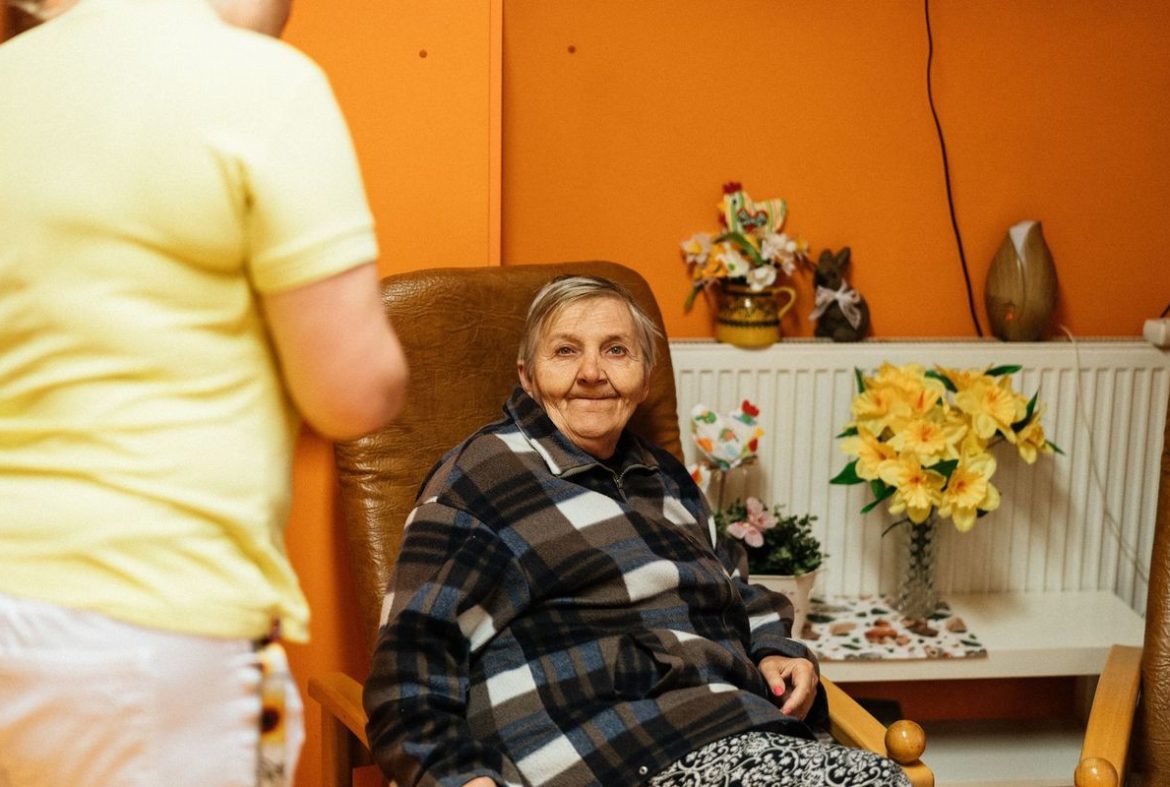
Live-in care means a paid carer moves into the home and stays for a set run of days or weeks, so the person has someone on hand through the day and close by at night. For some families it is the thing that lets a parent stay in their own home rather than move into a care home. For others it is more than they need, and a few visits a day or a carer for the nights would do. This guide sets out when live-in care tends to fit, what a typical day looks like, who is legally the employer, how rest breaks work, what it costs and which checks to make. We checked every source on 26 Oct 2026.
What live-in care is, and what it is not
The NHS describes help at home from a paid carer as very flexible: an hour a week, several hours a day, at night, or a live-in carer. It notes that some live-in care organisations provide carers who can give specialist care, including stroke or dementia care. GOV.UK’s minimum wage guidance gives a care-sector example of a live-in carer who may be paid a fixed sum for staying with a client for a 24-hour period, carrying out tasks as and when they are needed.
That matters. Live-in care is not one person awake and working around the clock. It is someone who lives in, works agreed hours, takes breaks and sleeps at night.
When live-in care tends to fit
Families often look at live-in care when:
- Visits are no longer enough. Short visits leave long gaps, and the person is unsafe or anxious on their own in between.
- Someone needs to be around at night, for example to help with the toilet once or twice, or to reassure someone who wakes confused, but not to be awake all night.
- A care home does not feel right, or not yet. The NHS says homecare can help someone stay living independently in their own home, as long as the home is safe or can be adapted.
- The family carer needs a proper break. The NHS respite guidance says that if the person needs 24-hour supervision, you can arrange live-in care while you take a break. See Respite care in the UK.
- After a hospital stay, for a few weeks. See Care after a hospital stay.
When another option may fit better
- Visiting care if the person mainly needs help at set times, such as getting up, meals and bedtime, and is safe in between.
- Overnight care if days are fine but nights are the problem. A waking-night or sleep-in carer can cover just the night. See Overnight care at home.
- Companionship if the main need is company and a hand with everyday things. See Companionship care in the UK.
- A care home or nursing home if the home cannot be made safe, there is no spare bedroom, or the person needs nursing care around the clock. The NHS says nursing homes offer 24-hour nursing care.
Our guide Comparing care options in the UK sets the choices side by side.
What a typical day can cover
Every arrangement is different, so treat this as a starting point to adapt, not a promise. The NHS lists the kinds of things a paid carer can help with, and a live-in carer can spread these across the day:
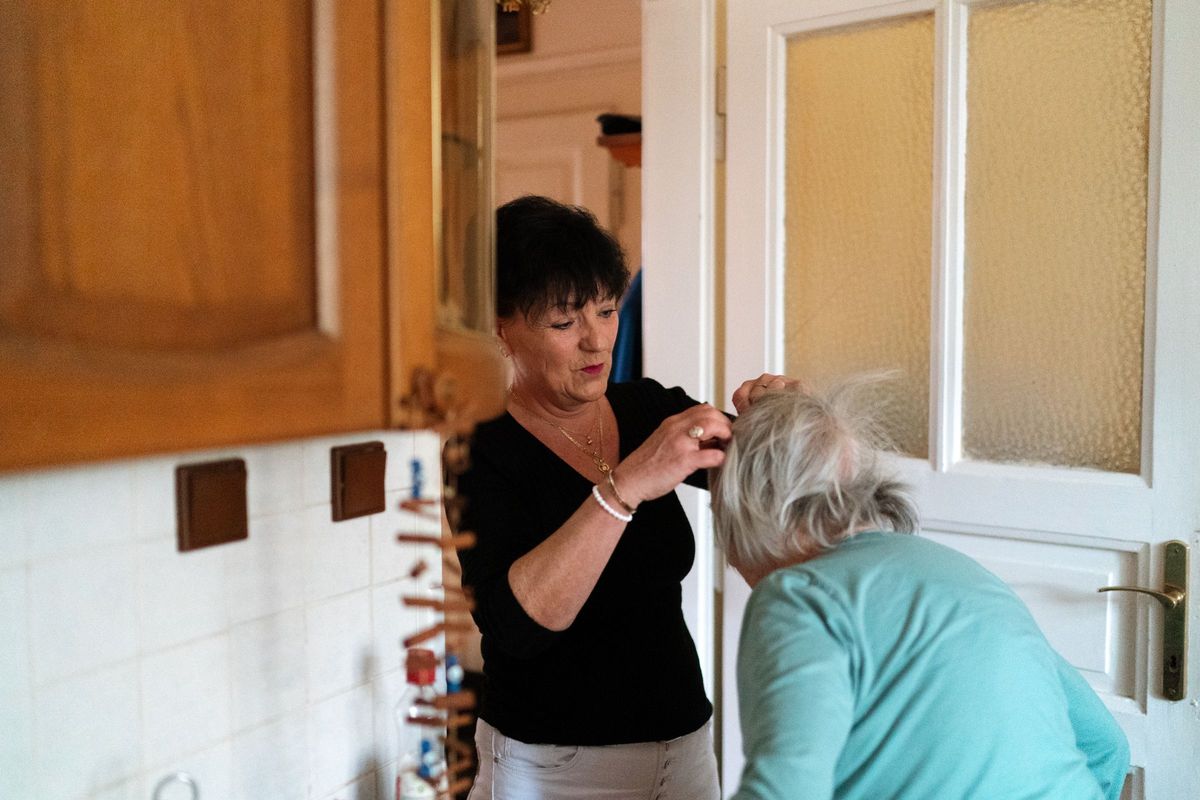
- Morning: help getting up, washing and dressing, brushing hair, using the toilet, and breakfast.
- Medicines: reminders to take medicines. Ask exactly what the carer is trained and allowed to do, and agree it in writing.
- Daytime: preparing meals and drinks, light housework and laundry, shopping, collecting prescriptions or a pension, and getting out, for example to a lunch club, a walk or an appointment.
- Company: conversation, hobbies, and keeping in touch with family and friends.
- Evening: getting settled and ready for bed.
- Night: being in the house, usually asleep in their own room, and available if needed. Agree how often they can reasonably be woken.
Be clear about housework: heavy cleaning or gardening may be outside what a live-in carer does.
Tip. Write a one-page job description before you speak to anyone. nidirect suggests thinking about a typical day and listing all the tasks, any skills or qualifications needed, such as a driving licence, and the hours and days involved. It helps agencies match the right person, and it stops arguments later.
What the home needs
- A private bedroom for the carer, with a bed and somewhere to keep their things.
- Use of a bathroom and kitchen, and agreement on food: is it provided, or do they buy their own?
- House rules agreed up front: visitors, smoking, pets, use of the car, and quiet hours.
GOV.UK’s minimum wage guidance says that, for some types of work, time asleep only stops counting as working time if suitable sleeping facilities are provided. A proper bedroom is not optional.
Who is the employer? Agency, introductory service or direct hire
This is the question families most often get wrong, and it affects cost, cover and legal responsibility. nidirect sets out three basic arrangements, and they apply across the UK:
1. A care agency that employs the carer
nidirect says that if a care agency finds you a carer, you pay the agency but do not take on responsibilities as an employer, because the carer works for the agency. The NHS says all homecare agencies in England must register with the Care Quality Commission (CQC). In Scotland, mygov.scot says the Care Inspectorate lists and checks home care services. In Northern Ireland, nidirect says agencies are regulated and inspected by the Regulation and Quality Improvement Authority (RQIA). In Wales, care services are regulated by Care Inspectorate Wales. The agency should arrange cover for breaks and holidays. It usually costs more.
2. An introductory service or platform
Some services introduce you to self-employed carers rather than employing them. You agree the work and the rate with the carer, and the platform takes a fee. Ask exactly what the platform checks, who arranges cover, and what happens if things go wrong. Read the terms. GOV.UK says someone is probably self-employed if, among other things, they quote for work, are not directly supervised, invoice for their work and pay their own tax and National Insurance. It also warns that if employment status is wrong, people may have to pay unpaid tax and penalties.
3. Employing the carer directly
The NHS says that if you employ a paid carer, you have the legal responsibility of an employer, including arranging cover for their illness and holidays. GOV.UK’s step-by-step guide to employing someone for the first time covers registering for PAYE, National Insurance, sick pay, workplace pensions and Employers’ Liability insurance. GOV.UK says you must have Employers’ Liability insurance as soon as you become an employer, unless you only employ a close family member. Most workers are also entitled to 5.6 weeks’ paid holiday a year.
For a fuller comparison, see Care agency vs private carer in the UK.
Ad. If you are weighing up live-in or longer stays at home, you can browse self-employed carers on PrimeCarers and see their rates and experience up front before you get in touch. Check references, DBS status and who covers breaks before you agree anything. If you register through this link, Ideas in Medicine Ltd, trading as Big on Health, may earn a commission. That does not change what you pay.
Rest breaks, nights off and a second carer
If a live-in carer is worn out, care suffers. Agree these in writing before the start date:
- A daily break. Live-in arrangements usually include set time each day when the carer is off duty and can leave the house. Agree the length in writing and decide who covers that gap: a family member, a visiting carer, or a day centre. Do not assume the carer is on call 24 hours.
- Nights. How often can they be woken? If the person is up repeatedly every night, one live-in carer will not cope for long. You may need a waking-night carer as well, or two carers.
- Days off and changeovers. Many live-in carers work a block of days or weeks and then hand over to a second carer. Ask how handovers are done.
- Holidays and sickness. Who steps in, and how quickly?
- Two-person tasks. If the person needs two people to move them safely, one live-in carer cannot do that alone. Ask the council to assess what is needed.
Minimum wage and “unmeasured work”
If you employ a live-in carer directly, the National Minimum Wage applies. GOV.UK calls live-in care paid as a fixed sum per shift “unmeasured work”, and says you can either record every hour worked or agree a “daily average” of hours in writing. It also says sleep-in workers are generally only eligible for minimum wage when awake for the purposes of working, but that if someone is expected to work most of a shift and only nap between tasks, it is likely due for the whole shift. This is technical, so read the GOV.UK guidance or get advice. Current rates are on GOV.UK.
What live-in care costs
The NHS says having a carer who lives with you costs from around £800 a week, and can cost as much as £1,600 a week if you need a lot of care. For comparison, it gives £15 to £30 an hour for visiting care, varying by where you live, with a typical hourly rate of around £20. Prices vary by area, by need, and by whether you use an agency, a platform or a direct hire. Our guide Home care costs in the UK in 2026 goes into more detail.
When you get a quote, ask:
- Is it weekly or daily, and what does it include? Are agency or platform fees on top?
- Is there a separate charge for a second carer, cover for breaks, or disturbed nights?
- Who pays for the carer’s food and changeover travel?
- What is the notice period, and what happens if the person goes into hospital?
Help with paying
Live-in care can be part-funded by the council if the person is assessed as needing it and qualifies financially. The NHS says Attendance Allowance and Personal Independence Payment are not means-tested and can help with homecare costs. Where care needs are mainly health needs, NHS continuing healthcare may pay, and the NHS says it can be provided in your own home. See Paying for private care in the UK and Attendance Allowance.
| Nation | Who assesses | Charges for care at home | Arranging care yourself with council money |
|---|---|---|---|
| England | Adult social services at the local council. | Means-tested. The NHS says the council generally helps with care costs if savings are under £23,250, and a financial assessment works out what the person pays. The value of the home is not counted for care at home. | A personal budget, which can be paid as a direct payment. |
| Scotland | The council’s social work department. mygov.scot says a GP, district nurse or health visitor can also arrange this. | mygov.scot says personal care from the council is free if the assessment shows it is needed, regardless of age, income or savings. Other help, such as housework or shopping, may be charged after a financial assessment. | Self-directed Support, which includes a direct payment option. |
| Wales | The local authority. | GOV.WALES says the most you can be charged for non-residential care is £100 a week, after a financial assessment. You may pay up to that maximum if you have savings over £24,000, not counting your home, or a high disposable income. | Direct payments through the local authority (GOV.UK says to contact the council directly). |
| Northern Ireland | The local Health and Social Care Trust. | Ask the Trust. nidirect says the Trust assesses health and social care needs and can provide care in your own home. | Direct payments from the Trust, after an assessment. |
Rules and figures change, so check with the council or Trust before making plans.
Start with the assessments
Even if you plan to pay privately, the NHS says a care needs assessment is free, anyone can ask for one, and it will help you explain to an agency or carer what kind of help is needed. It says that if you are not eligible for council help, the council must still give you free advice. If a family member is doing a lot of the caring, they can ask for their own carer’s assessment.
Checks before anyone moves in
Someone living in the home will spend long hours alone with a person who may be vulnerable. Take the checks seriously:
- DBS or equivalent. Ask to see a recent check. In Scotland the equivalent is the PVG scheme, and in Northern Ireland it is AccessNI. nidirect says home care agencies there must carry out AccessNI checks on all employees working with disabled people. See DBS checks when hiring a private carer.
- References. At least two, ideally from recent care work, and phone the referees.
- Training and experience that match the person’s needs, for example dementia, stroke or moving and handling.
- A trial period, such as a week or two, with a review before you commit long term.
- A written agreement covering tasks, hours, breaks, nights, pay, notice and house rules.
Our guide Questions to ask before hiring a carer gives a full interview list, and Finding a private carer in the UK explains where to look.
Making it work day to day
- Keep the person at the centre. Ask what they want their day to look like. If they lack capacity for some decisions, see Lasting Power of Attorney for a parent.
- Keep a care folder with medicines, GP details, routines and emergency contacts, and agree how shopping money is handled.
- Know how to complain. The NHS says to complain first to the council or, if you are paying yourself, the agency, and then to the Local Government and Social Care Ombudsman.
Ad. If live-in care looks right, you can compare carers on PrimeCarers, including carers offering live-in and longer stays. Ask about experience with similar needs, how breaks and nights work, who covers holidays, references and a recent DBS check. If you register through this link, Ideas in Medicine Ltd, trading as Big on Health, may earn a commission. That does not change what you pay.
When to get urgent help
- Call 999 if someone is seriously ill or injured, or their life is at risk.
- NHS 111 if you are worried about someone’s health and it is not an emergency.
- The local council or Trust if care at home breaks down and you need social care help quickly.
Related guides
- Finding a private carer in the UK
- Questions to ask before hiring a carer
- DBS checks when hiring a private carer
- Care agency vs private carer in the UK
- Overnight care at home
- Companionship care in the UK
- Respite care in the UK
- Paying for private care in the UK
- Home care costs in the UK in 2026
- Comparing care options in the UK
Sources
All checked on 26 Oct 2026.
- NHS: Help at home from a paid carer
- NHS: Paying for your own care (self-funding)
- NHS: Carers’ breaks and respite care
- NHS: Getting a care needs assessment
- NHS: Financial assessment (means test) for social care
- NHS: NHS continuing healthcare
- NHS: Care homes
- GOV.UK: Calculating the minimum wage: working hours
- GOV.UK: National Minimum Wage rates
- GOV.UK: Get ready to employ someone for the first time
- GOV.UK: Employers’ liability insurance
- GOV.UK: Holiday entitlement
- GOV.UK: Employment status: self-employed and contractor
- mygov.scot: Care at home
- mygov.scot: Costs of personal and nursing care
- GOV.WALES: Charging for social care
- Care Inspectorate Wales
- nidirect: Employing a paid carer or personal assistant
- nidirect: Support to stay in your own home
This page is general information, not medical, legal or financial advice. Check care, employment and funding rules with the local council, Health and Social Care Trust or GOV.UK before making plans.
The registered company is Ideas in Medicine Limited, trading as Big on Health (SC505248). Contact: enquiries@bigonhealth.com. There is no public telephone number on this site.