
By the Big on Health editorial team, Ideas in Medicine Ltd.
This is not medical advice. Big on Health is a UK review site. For health worries, speak to your GP, pharmacist or NHS 111. In an emergency, call 999.
The NHS says anyone can have a fall, but it is more likely if you are older or have mobility problems. Simple changes at home, and shoes or slippers that fit well, can help an older parent stay steady and keep their confidence. This page sets out what the NHS recommends and where to get help. We read every source on 15 Oct 2026.
Ad. Need shoes or slippers that fit wide or swollen feet? You can browse extra-wide footwear at Cosyfeet. If you buy through this link, Ideas in Medicine Ltd, trading as Big on Health, may earn a commission. That does not change what you pay.
New to Cosyfeet? Use code CFAWIN10 for 10% off your first order (UK delivery only; excludes sale items and delivery; terms apply).
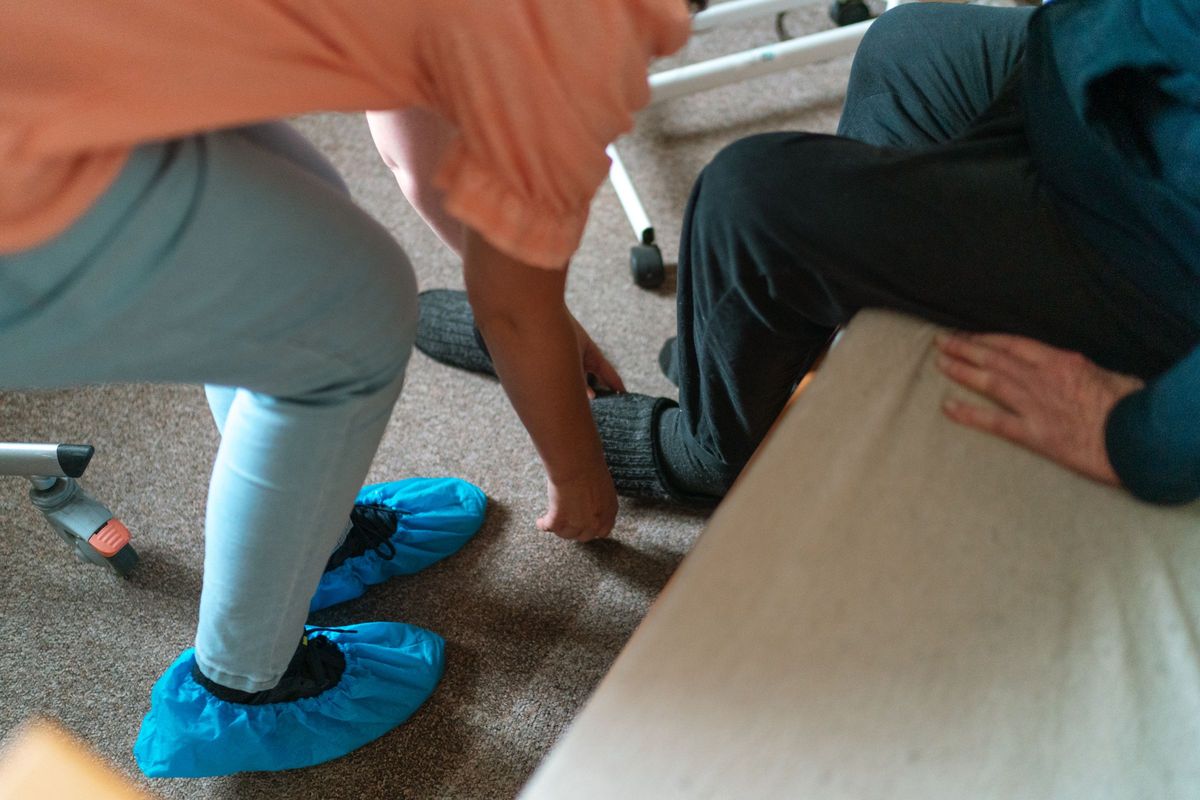
Footwear: what the NHS says to look for
The NHS advice on preventing falls is to wear shoes or slippers that fit well, do not slip off and have a good grip. If feet or ankles swell, the NHS suggests wide, comfortable shoes with a low heel and soft sole, and avoiding socks or shoes that are too tight.
| Look for | Why it matters |
|---|---|
| A good fit that stays on | Shoes or slippers that slip off are a trip risk (NHS falls advice). |
| A grippy sole | The NHS lists a good grip as one of three things to look for. |
| Wide, with a low heel and soft sole | NHS advice for swollen ankles and feet. |
| Nothing too tight | The NHS says not to wear socks or shoes that are too tight if feet swell. |
Tip. Swap worn-out, backless or stretched slippers for a pair that stays on the foot, and check the grip on the sole before your parent wears them on stairs or hard floors.
Simple changes at home
- Clear clutter and things that could trip, such as loose wires or rugs.
- Use a non-slip mat in the bath or shower.
- Consider rails on steps and grab rails in the bathroom, and a walking aid if needed.
- Wear a personal alarm or carry a mobile phone.
- Ask for help with tasks such as lifting or reaching rather than struggling alone.
For equipment and grants, see Mobility and daily-living equipment and Disabled Facilities Grant.
Ad. If your parent also needs a hand at home, for example help getting up and dressed safely or someone to call in after a fall, you can browse self-employed carers on PrimeCarers and see their rates up front. If you register through this link, Ideas in Medicine Ltd, trading as Big on Health, may earn a commission. That does not change what you pay.
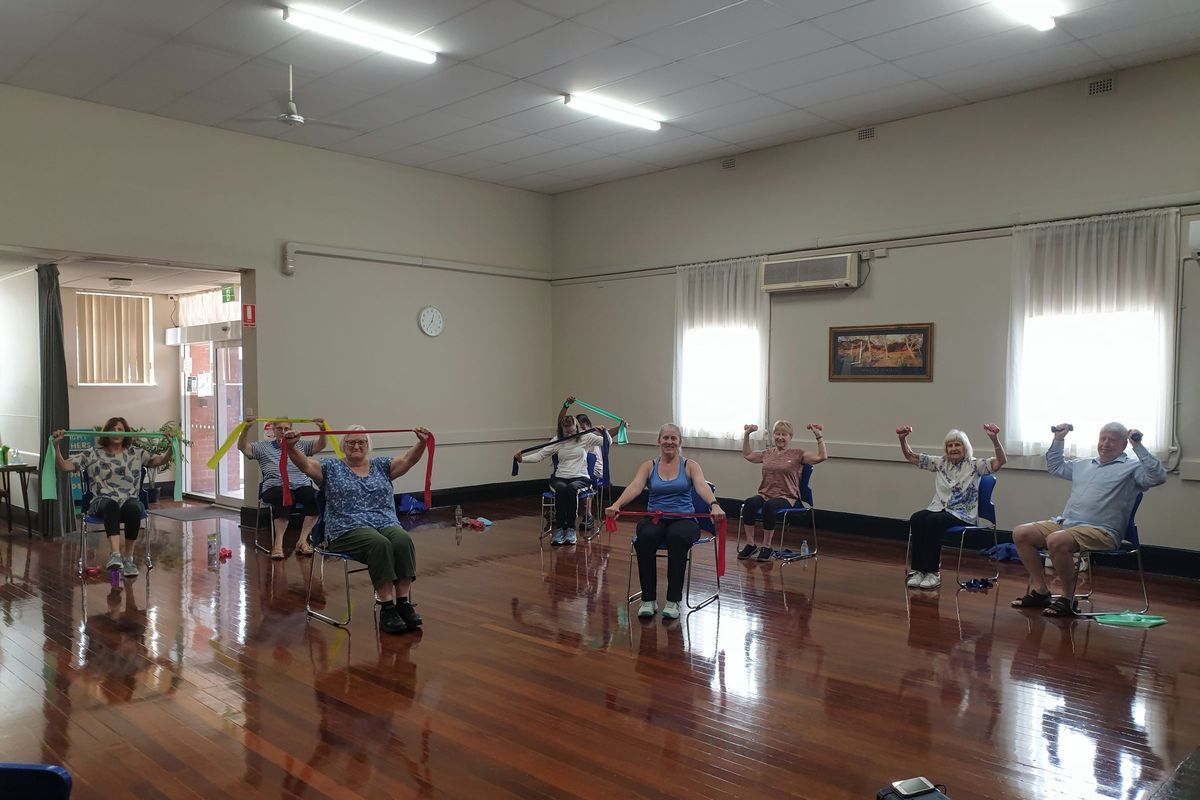
Staying strong and steady
- Keep active. The NHS says older adults should be active every day and do activities that improve strength and balance at least twice a week.
- Eat and drink enough. Not eating and drinking enough can make you feel lightheaded or faint.
- Look after bones. Eat foods containing calcium and get enough vitamin D.
- Check eyes and ears. Have regular eye tests and hearing checks, as ear problems can affect balance.
- Review medicines. Ask a GP or pharmacist if medicines could be affecting balance.
Help from the GP, falls services and the council
A GP may refer someone to a specialist falls service. That can include checks for muscle weakness, weak bones or eyesight problems, strength and balance training, a home safety check and a medicines review. In some areas you can refer yourself after a fall. Ask your GP surgery. Your council can also do a free care needs assessment, including changes to make the home safer. See Carer’s assessment for your own support.
See a GP or pharmacist, or get urgent help, if…
These are the NHS red flags, quoted from the NHS falls and oedema pages.
- Call 999 if someone has fallen and may have injured the head, back, neck or hip, or cannot get up. Do not try to lift them yourself.
- Call 999 if swelling comes with shortness of breath, a tight, heavy or painful chest, coughing up blood, palpitations, or feeling lightheaded, faint, confused, sick or clammy.
- NHS 111 or an urgent GP appointment if someone has fallen and may be in pain, injured or unwell; if one ankle, foot or leg is swollen and you don’t know why; if swelling is severe, painful or sudden, red or hot; or if they have diabetes and their feet, ankles or legs are swollen.
- See a GP if you’re worried about balance or mobility, after any fall, or if both feet or ankles stay swollen after a few days of home care or get worse.
- Speak to a pharmacist or GP if you think medicines could be affecting balance.
Ad. One UK specialist is Cosyfeet. On its website (read 15 Oct 2026), Cosyfeet says its footwear is designed for swollen or extra-wide feet, all styles are made to a 6E fitting for women and 3H for men with adjustable designs, it offers free UK returns and exchanges, and VAT relief is available on its footwear if you have a chronic or long-term medical condition. See Cosyfeet’s range. If you buy through this link, Ideas in Medicine Ltd, trading as Big on Health, may earn a commission. That does not change what you pay.
New to Cosyfeet? Use code CFAWIN10 for 10% off your first order (UK delivery only; excludes sale items and delivery; terms apply).
Related guides
- Mobility and daily-living equipment for an older parent
- Disabled Facilities Grant: adapting a parent’s home
- Care at home after a hospital stay
- Attendance Allowance: a UK guide for families
- A carer’s assessment in the UK
- Finding a private carer in the UK
Sources
All read on 15 Oct 2026.
- NHS: Falls
- NHS: Swollen ankles, feet and legs (oedema)
- NHS: Physical activity guidelines for older adults
- Cosyfeet: home page (product claims)
The registered company is Ideas in Medicine Limited, trading as Big on Health (SC505248). Contact: enquiries@bigonhealth.com. There is no public telephone number on this site.