
By the Big on Health editorial team, Ideas in Medicine Ltd.
This is not medical, legal or financial advice. Big on Health is a UK review site. For health worries, speak to your GP, Parkinson’s nurse, pharmacist or NHS 111. If someone is in immediate danger or seriously hurt, call 999.
Parkinson’s changes slowly, and so does the help a person needs at home. In the early years many people manage with little support. Later, the NHS says it can become increasingly difficult to carry out everyday activities without help. This page is for families in the UK supporting someone with Parkinson’s at home. It covers the NHS support to ask for, why medicine timing matters so much, what a paid carer can help with, and how care is assessed and charged in each of the four UK nations. We read every source on 22 Oct 2026.
Ad. Looking for a regular carer who can fit around a Parkinson’s routine? You can browse self-employed carers on PrimeCarers and see their rates up front. If you register through this link, Ideas in Medicine Ltd, trading as Big on Health, may earn a commission. That does not change what you pay.
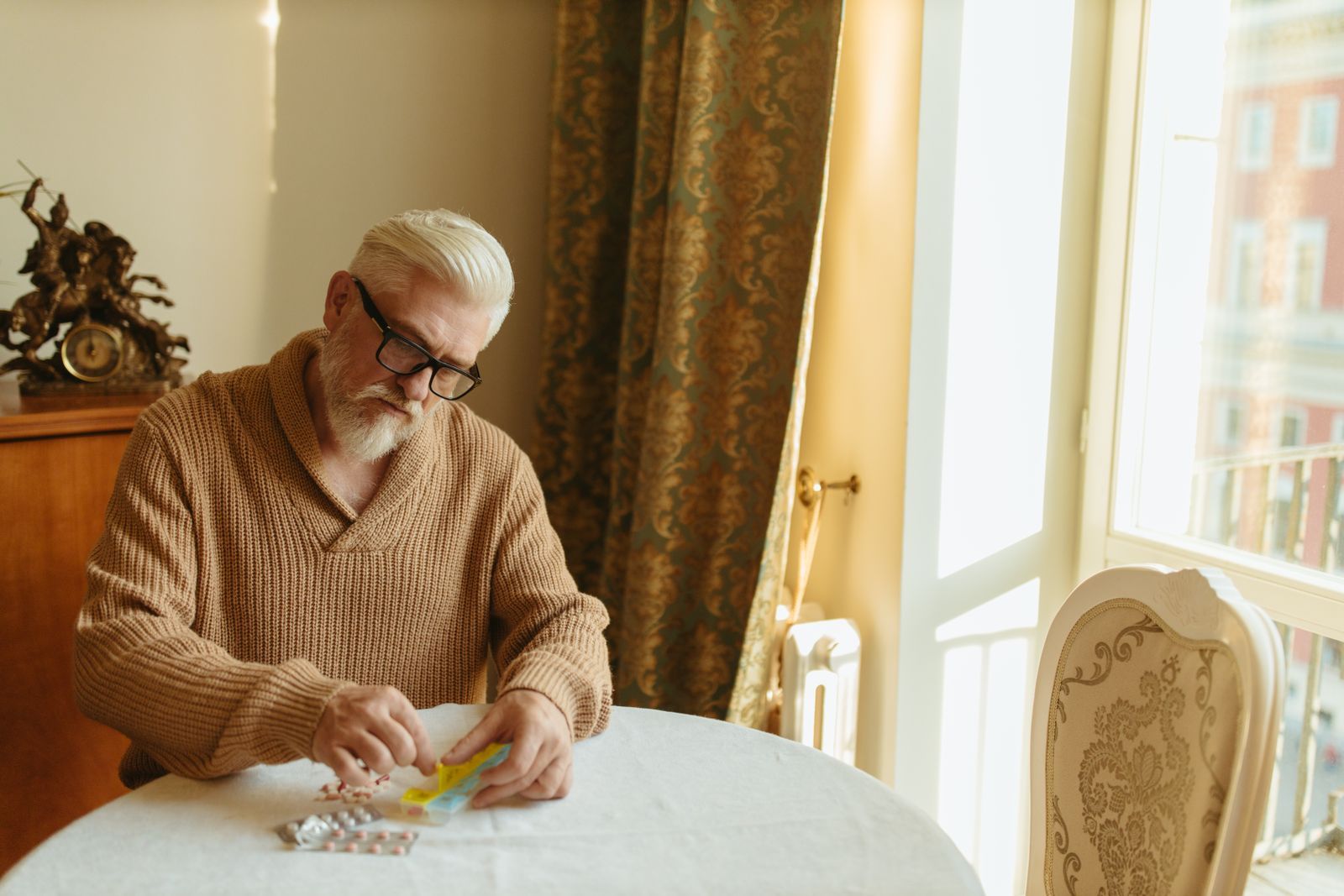
How Parkinson’s can affect daily life
The NHS says the main symptoms are tremor (involuntary shaking), slow movement, and stiff, inflexible muscles. People can also have balance problems that make a fall more likely, depression and anxiety, problems sleeping and memory problems. Needs change over time, so it helps to plan ahead rather than wait for a crisis.
At home, families often first notice:
- Slower everyday tasks. Washing, dressing, buttons and cooking take longer, or need a hand.
- Good and bad times of day. The NHS describes “on-off” effects in later years, where a person switches between being able to move (on) and being immobile (off).
- Falls or near misses. Balance problems can raise the risk of a fall.
- Swallowing and speech changes. The NHS says many people with Parkinson’s have swallowing difficulties and problems with their speech.
The NHS team to ask about
NICE guidance on Parkinson’s (NG71) says people with Parkinson’s should have a comprehensive care plan agreed between the person, their family and carers, and their specialist team. It also says they should have an accessible point of contact with specialist services, which could be a Parkinson’s disease nurse specialist, and regular access to clinical monitoring, medicines adjustment and a continuing point of contact for support, including home visits when appropriate.
- Parkinson’s nurse. Parkinson’s UK says these nurses help people manage their medication and make referrals to other professionals. They may see people in their own homes if they can’t attend clinics. You need a definite diagnosis to be referred, usually through a GP, consultant or another health professional. How you reach one depends on where you live, and Parkinson’s UK says some areas still have little or no access.
- Physiotherapist. NICE says to offer Parkinson’s-specific physiotherapy for people with balance or movement problems.
- Occupational therapist. NICE says to offer Parkinson’s-specific occupational therapy for people having difficulty with daily activities. The NHS says an occupational therapist can help make sure the home is safe and properly set up.
- Speech and language therapist. NICE says to offer speech and language therapy for problems with communication, swallowing or saliva.
Medicines on time, every time
Timing is one of the biggest differences between Parkinson’s care and other home care. Parkinson’s UK says that when someone with Parkinson’s doesn’t get their medication at the time prescribed for them, their symptoms become uncontrolled. For hospital staff, it defines “on time” as within 30 minutes of the person’s prescribed time, and says even short delays can worsen symptoms such as stiffness, pain and tremor, and raise the risk of falls. NICE says Parkinson’s medicines should not be stopped suddenly.
Practical points for a family or a paid carer:
- Write the routine down. List each medicine, the dose and the exact times, and keep it somewhere every carer can see. Parkinson’s UK suggests a medication card for this.
- Plan visits around doses. If a carer visits, try to book the visit to match medicine times, not the other way round.
- Use alarms. Parkinson’s UK suggests alarms on a phone or watch to keep track of time.
- Never change doses yourself. NICE says to seek advice from a professional with specialist expertise in Parkinson’s before changing treatment.
- Watch for side effects. The NHS says some Parkinson’s medicines can cause hallucinations and confusion, and some have been linked to compulsive behaviours such as gambling or shopping. The person may not realise, so the NHS says carers and family should note any unusual behaviour and raise it with a professional early.
- Prepare for a hospital stay. Parkinson’s UK advises keeping medicines in their original packaging, with at least 24 hours’ supply, and telling each nurse about the routine.
Tip. If you pay for a carer, agree in writing what help with medicines they will and won’t give, for example reminders at set times. Share the written routine and the name of the Parkinson’s nurse or GP to contact if doses are missed or symptoms change.
Making home easier and safer
Parkinson’s UK says an occupational therapist can advise on equipment and safety in and around the home, such as rearranging furniture so it is safer to move around, or fitting grab rails. A physiotherapist can help with ways to prevent and manage falls. If the person is often alone, Parkinson’s UK suggests a community alarm scheme, which may involve wearing a pendant with a button to press in an emergency. For simple changes, see Preventing falls at home and Mobility equipment in the UK.
What a paid carer can help with
The NHS says a paid carer can visit for anything from an hour a week to several hours a day, or at night. They can help with getting out of bed, washing and dressing, using the toilet, preparing meals and drinks, remembering to take medicines, shopping, collecting prescriptions, getting out (for example to a lunch club) and getting ready for bed. Some people need a live-in carer. The NHS gives a cost of £15 to £30 an hour for help at home from a paid carer, varying by area, and says the council will sometimes contribute.
When you look for a carer for someone with Parkinson’s, it is fair to ask:
- Have you supported someone with Parkinson’s before, and how did you work around their medicine times?
- Are you comfortable helping someone who moves well at some times of day and struggles at others?
- What would you do if they fell, or if a dose was missed?
- Can you keep to fixed visit times, and who covers if you are ill?
- Can you show references and an up-to-date DBS check?
Parkinson’s UK publishes a free guide for home care workers who support people with Parkinson’s, which you can share with any carer. Our guides Finding a private carer in the UK, Questions to ask before hiring a carer and Agency or private carer? walk through the checks.
Start with a free needs assessment
The NHS says a care needs assessment from the council is free and anyone can ask for one. Even if you plan to arrange care yourself, the NHS says it is still worth having, because it helps you explain to an agency or carer what kind of help is needed. Parkinson’s UK says a family carer can ask for their own needs to be included, or have an assessment in their own right. NICE says family members and carers should be told about their right to a carer’s assessment and to an assessment for respite care. See A carer’s assessment in the UK and Respite care in the UK.
Four nations: assessment and charges for care at home
| Nation | Who assesses | Charges for care at home | Carer’s support |
|---|---|---|---|
| England | Adult social services at the local council. | Means-tested. The council works out what the person pays in a financial assessment based on income and savings. If the council pays for some or all of the care, it must give a care and support plan, and a direct payment may be possible. | A carer’s assessment from the council. |
| Scotland | The council’s social work department. mygov.scot says a doctor, district nurse or health visitor can also ask for an assessment. | mygov.scot says personal care from the council is free if the assessment shows it is needed, whatever the person’s age, income or savings. Other help, such as housework or shopping, may be charged. | An Adult Carer Support Plan from the council. |
| Wales | The local authority. | GOV.WALES says the most you can be charged for non-residential care is £100 a week, after a financial assessment. You may pay up to that maximum if you have savings over £24,000, not counting your home, or a high disposable income. | A carer’s needs assessment from the local authority. |
| Northern Ireland | The local Health and Social Care Trust. | Alzheimer’s Society says Trusts usually don’t charge for services in a person’s home, with exceptions such as a means-tested charge for home help (not charged for people over 75) and a fixed charge for meals on wheels. | A carer’s assessment from the Trust. |
Rules and figures change, so check with the council or Trust before making plans. For help with costs, see Paying for private care in the UK and Attendance Allowance.
Ad. If paying for help at home looks right, you can compare carers on PrimeCarers, from a few hours a week to live-in support. Ask about experience with Parkinson’s, how they fit visits around medicine times, references and DBS checks. If you register through this link, Ideas in Medicine Ltd, trading as Big on Health, may earn a commission. That does not change what you pay.
Planning ahead
NICE says people with Parkinson’s and their families should be offered information about how the condition may progress, advance care planning and Lasting Power of Attorney for finance and for health and care, as well as support such as personal care, equipment, care at home and respite care. It also says a referral to the palliative care team can be considered at any stage. See Lasting Power of Attorney for a parent.
When to get urgent help
- Call 999 if there is an immediate risk of harm, or after a fall if they may have injured the head, back, neck or hip, or cannot get up. The NHS says not to try to lift them yourself.
- NHS 111 if they have fallen and may be in pain, injured or unwell, or if you are worried and it is not an emergency.
- Parkinson’s nurse or GP if doses are being missed, symptoms change, or you notice hallucinations, confusion or unusual behaviour.
Related guides
- Finding a private carer in the UK
- Questions to ask before hiring a carer
- A carer’s assessment in the UK
- Respite care in the UK
- Preventing falls at home: footwear and simple changes
- Live-in care in the UK
- Dementia care at home in the UK
Sources
All checked on 22 Oct 2026.
- NHS: Parkinson’s disease
- NHS: Parkinson’s disease treatment
- NICE NG71: Parkinson’s disease in adults, recommendations
- Parkinson’s UK: Parkinson’s nurses
- Parkinson’s UK: Managing your medication in hospital
- Parkinson’s UK: Preparing for a hospital stay
- Parkinson’s UK: Time critical medication
- Parkinson’s UK: Home care and care homes
- Parkinson’s UK: A guide for home care workers
- NHS: Help at home from a paid carer
- NHS: Getting a care needs assessment
- NHS: Carer’s assessments
- NHS: Falls
- Carers UK: Carer’s assessment
- mygov.scot: Costs of personal and nursing care
- mygov.scot: How to get personal and nursing care
- mygov.scot: Adult Carer Support Plan
- GOV.WALES: Charging for social care
- GOV.WALES: Carers’ rights
- nidirect: Support to stay in your own home
- nidirect: Assessments for carers
- Alzheimer’s Society: Care plans and financial support in Northern Ireland
This page is general information, not medical, legal or financial advice. Always follow the advice of the GP, Parkinson’s nurse or specialist team who know the person, and check care rules with the local council or Health and Social Care Trust.
The registered company is Ideas in Medicine Limited, trading as Big on Health (SC505248). Contact: enquiries@bigonhealth.com. There is no public telephone number on this site.